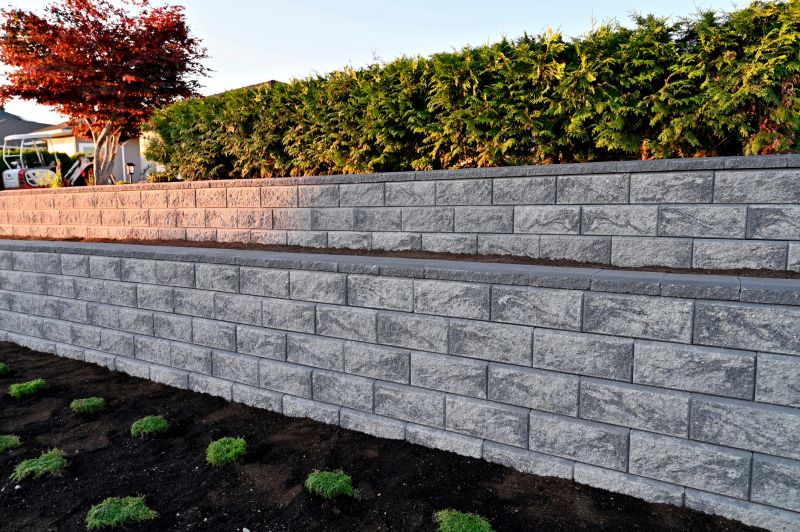
Retaining Wall Installation in Tampa, FL
Retaining wall installation services involve constructing durable structures designed to hold back soil and prevent erosion on residential properties. These walls are commonly used to create level areas in sloped yards, support garden beds, or define property boundaries. Homeowners often request retaining walls to improve landscape functionality, enhance curb appeal, or address specific soil stability concerns. Before requesting installation, property owners should consider factors such as the intended purpose of the wall, the type of materials preferred, the size and height of the structure, and any local regulations or permits that may apply.
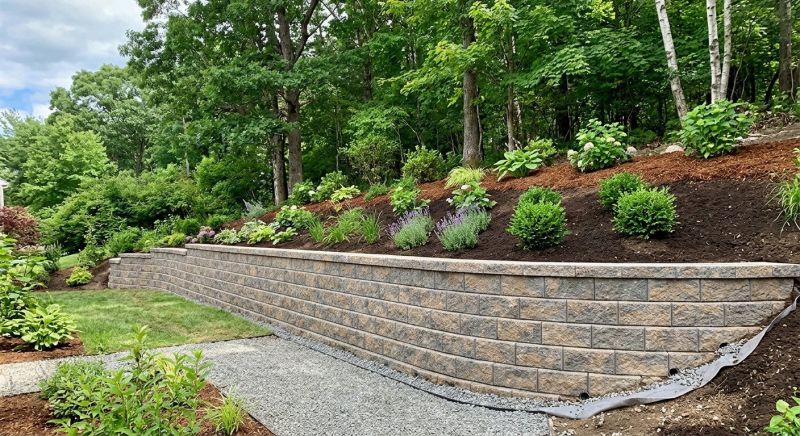
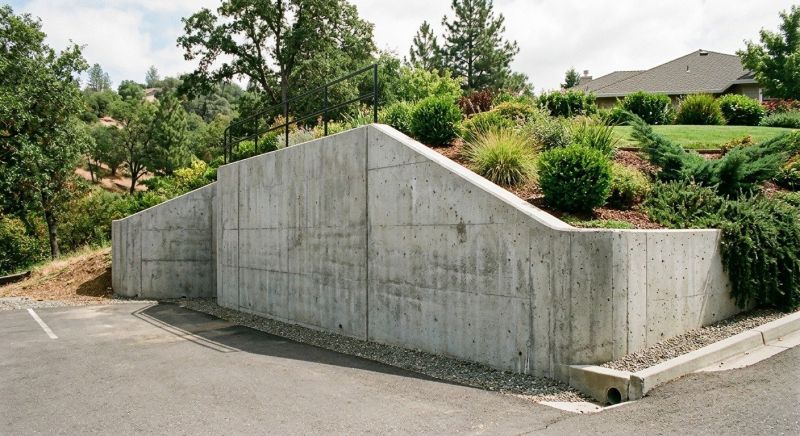
Understanding the different types of retaining walls-such as concrete, stone, or timber-can help property owners select the best option for their landscape. It's also important to evaluate the existing soil conditions, drainage needs, and the overall design aesthetic. Proper planning ensures the wall’s longevity and effectiveness, making it beneficial to discuss these considerations with a professional during the initial consultation. This helps ensure the project aligns with the property's specific requirements and environmental factors.
Many property owners in Tampa, FL look into Retaining Wall Installation for repairs, replacements, upgrades, and appearance-related improvements.
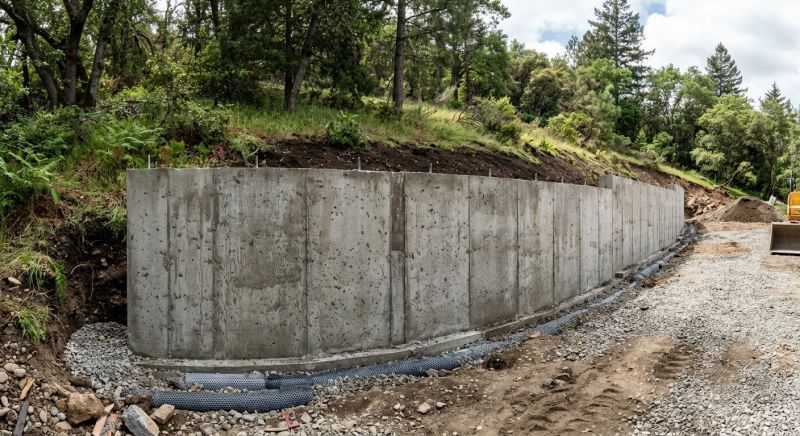
Types Of Retaining Walls
Different materials and designs are available to suit various landscape needs in tampa.
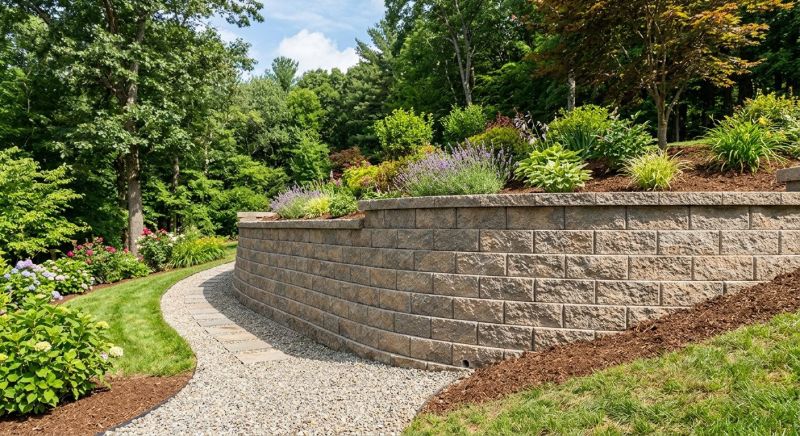
Benefits Of Retaining Walls
They help prevent erosion, create level areas, and enhance the stability of sloped properties.
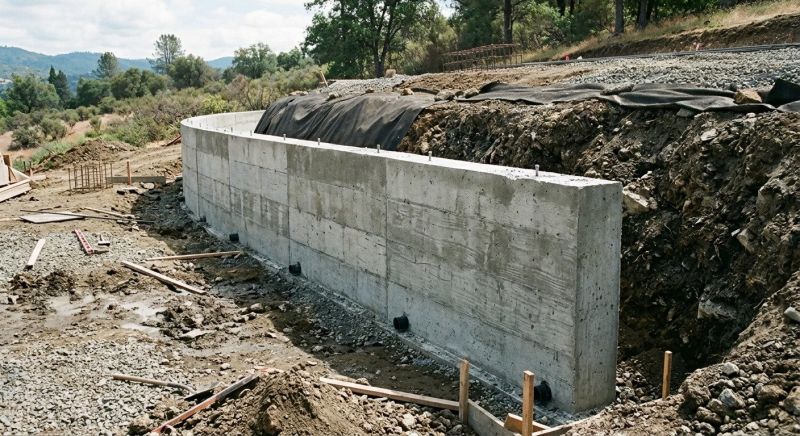
Common Applications
Retaining walls are often used for garden terraces, driveway support, and yard leveling in residential properties around tampa.
Retaining Wall Installation in Tampa, FL

Retaining wall installation services involve constructing durable structures designed to hold back soil and prevent erosion on residential properties. These walls are commonly used to create level areas in sloped yards, support garden beds, or define property boundaries. Homeowners often request retaining walls to improve landscape functionality, enhance curb appeal, or address specific soil stability concerns. Before requesting installation, property owners should consider factors such as the intended purpose of the wall, the type of materials preferred, the size and height of the structure, and any local regulations or permits that may apply.
Understanding the different types of retaining walls-such as concrete, stone, or timber-can help property owners select the best option for their landscape. It's also important to evaluate the existing soil conditions, drainage needs, and the overall design aesthetic. Proper planning ensures the wall’s longevity and effectiveness, making it beneficial to discuss these considerations with a professional during the initial consultation. This helps ensure the project aligns with the property's specific requirements and environmental factors.
Many property owners in Tampa, FL look into Retaining Wall Installation for repairs, replacements, upgrades, and appearance-related improvements.
Common Retaining Wall Installation Jobs
Residential landscape projects - Retaining walls can help define garden beds and level uneven yard areas.
Erosion control solutions - Properly installed walls prevent soil erosion on sloped properties.
Terrace and patio support - Retaining walls create stable foundations for outdoor living spaces.
Property boundary enhancements - Walls can serve as attractive boundaries and privacy barriers.
Driveway and walkway stabilization - Retaining structures support and reinforce pathways against shifting soil.
Slope stabilization work - Walls help secure steep slopes and prevent landslides or soil movement.
Retaining Wall Installation Questions
What materials are commonly used for retaining walls? Common materials include concrete, natural stone, and timber, each offering different aesthetic and structural benefits.
What types of projects typically require a retaining wall? Retaining walls are often used to manage soil erosion, create level areas, or support landscaping features on sloped properties.
How does a retaining wall improve property stability? It helps prevent soil movement and erosion, providing additional support to prevent landslides or shifting ground.
What should property owners consider before installing a retaining wall? Factors like soil type, slope, drainage, and the overall landscape plan are important for a successful installation.
Request Retaining Wall Installation in Tampa, FL
Use the quote form on this page to share the basics of your project and request more information for the type of work you need.